Diana Teresa Gutiérrez García
Founder, executive director, and boardFundadora, directora ejecutiva y junta
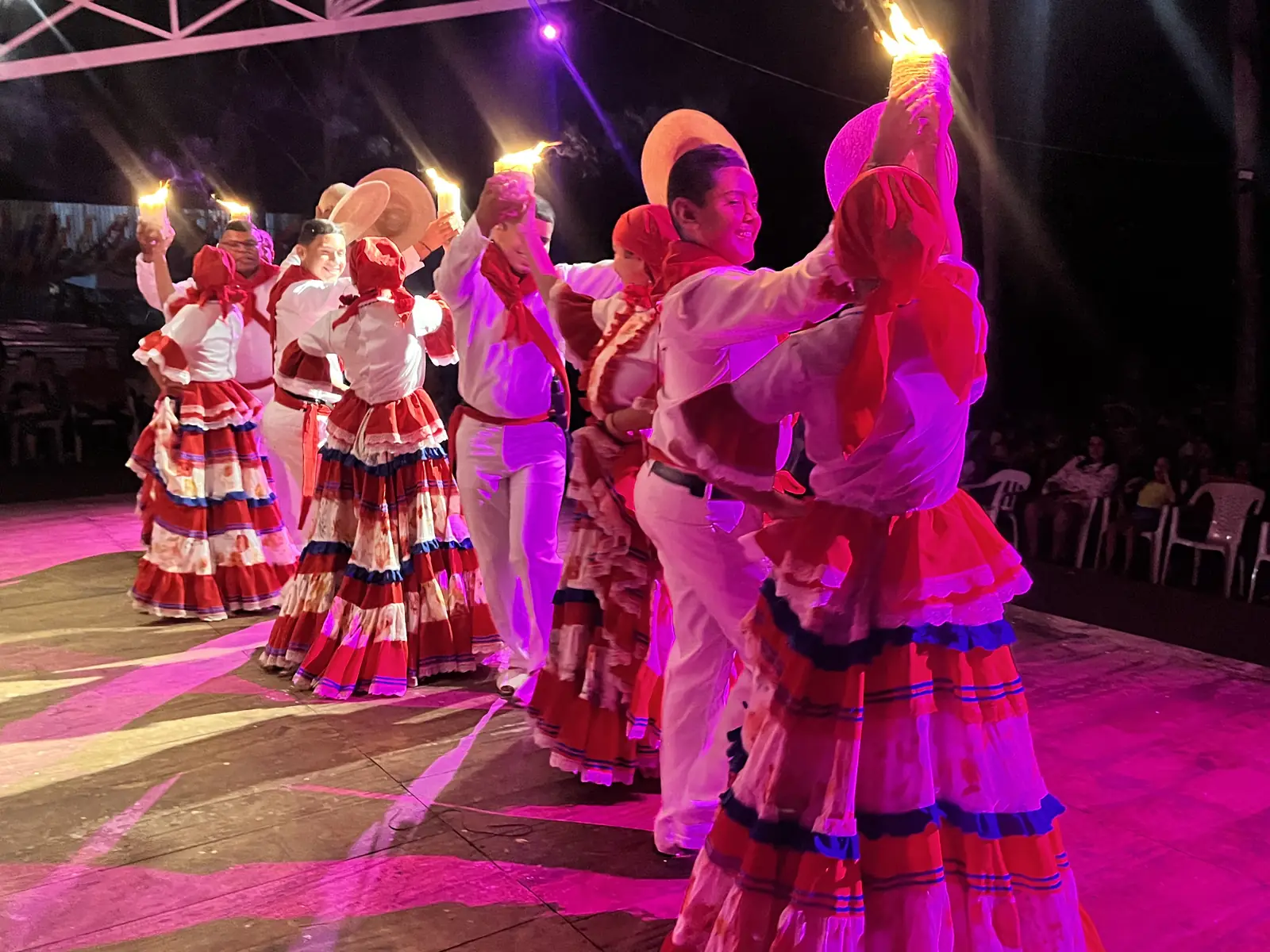
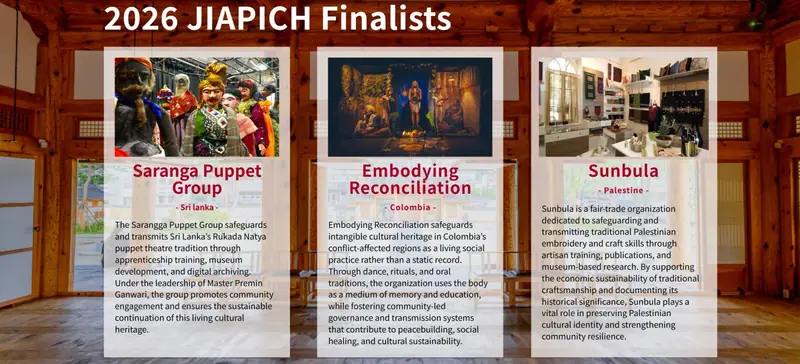
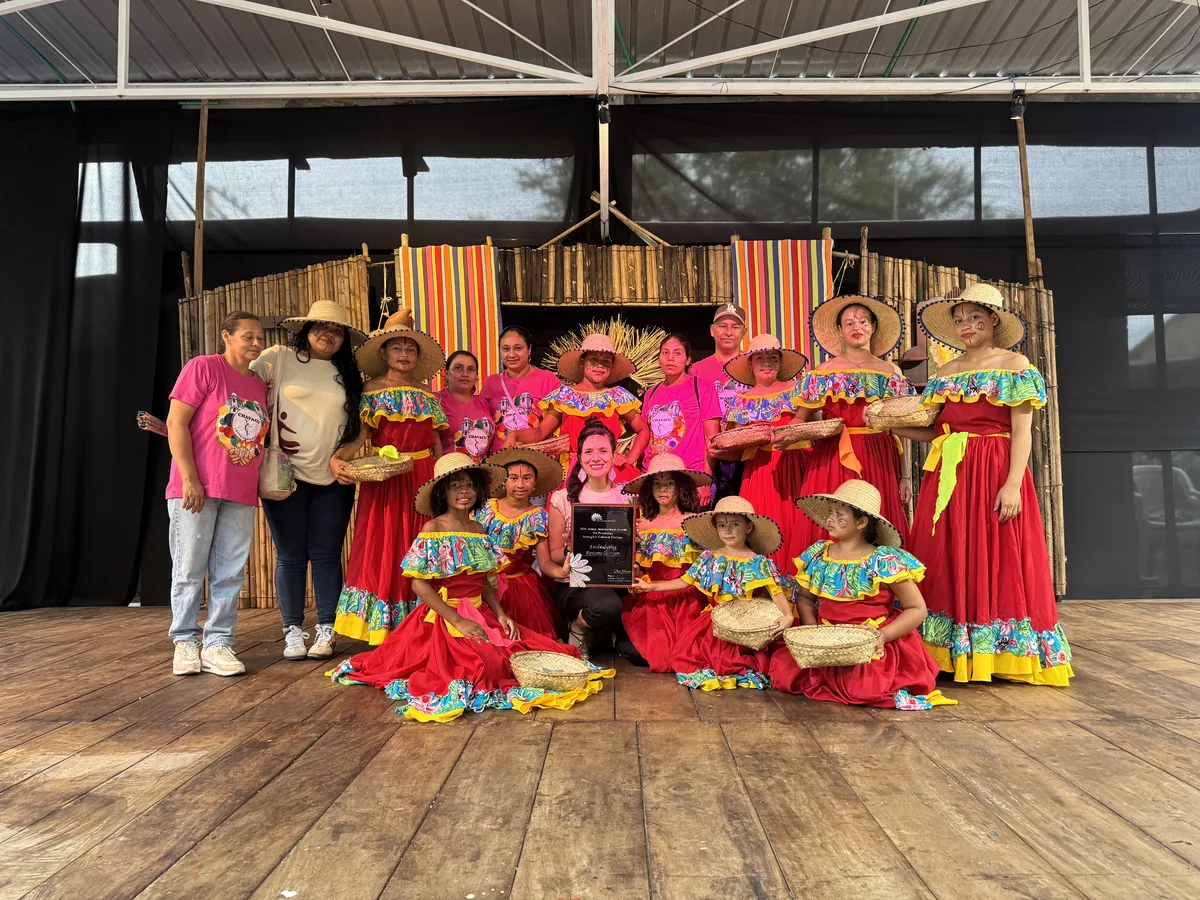
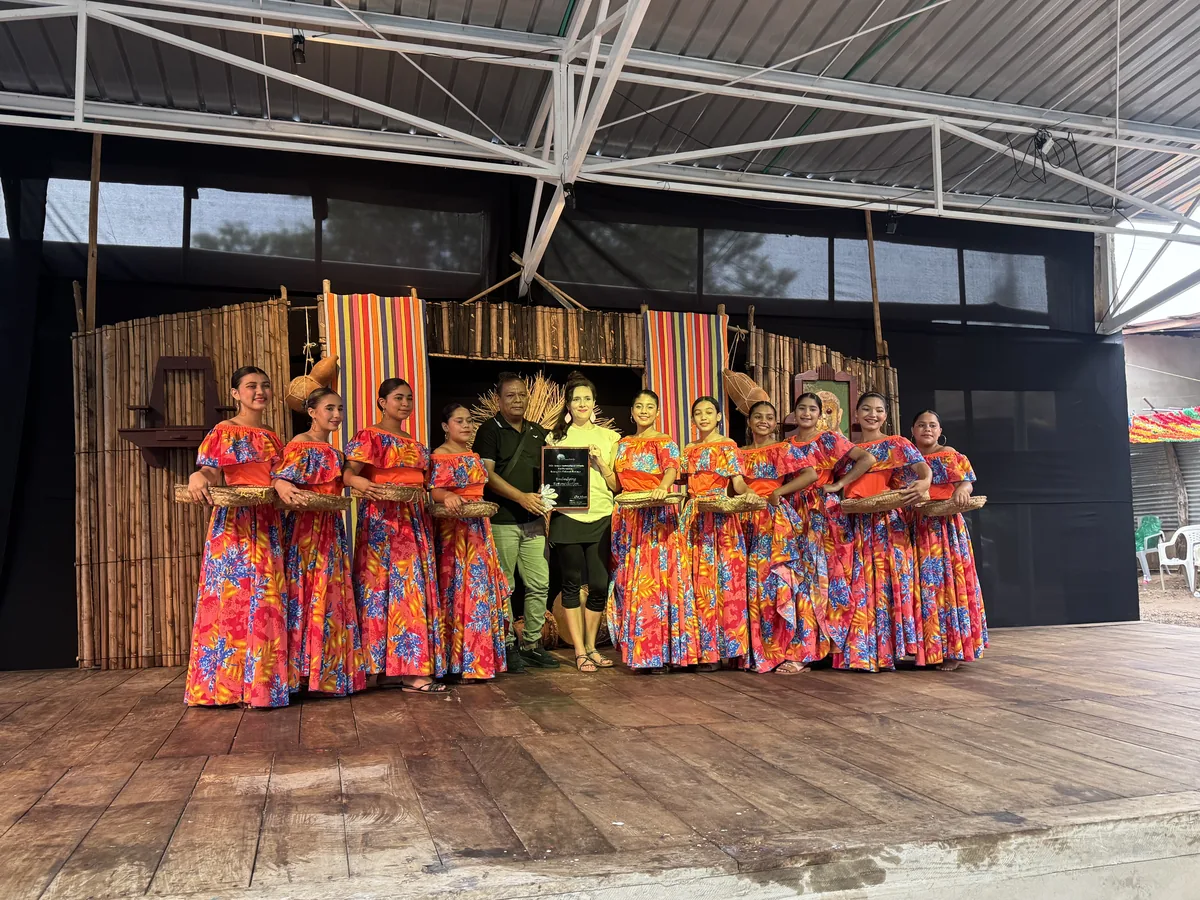
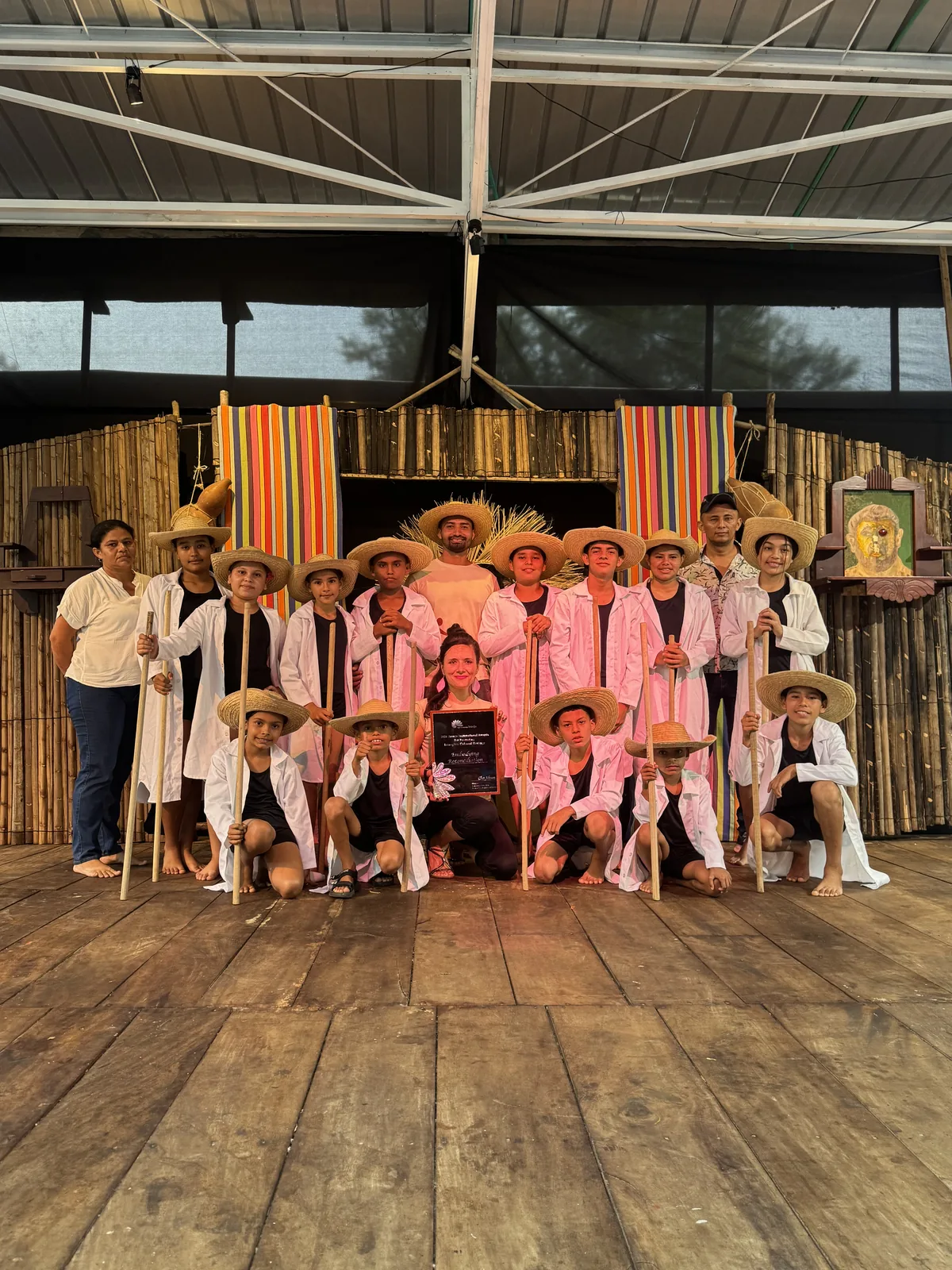
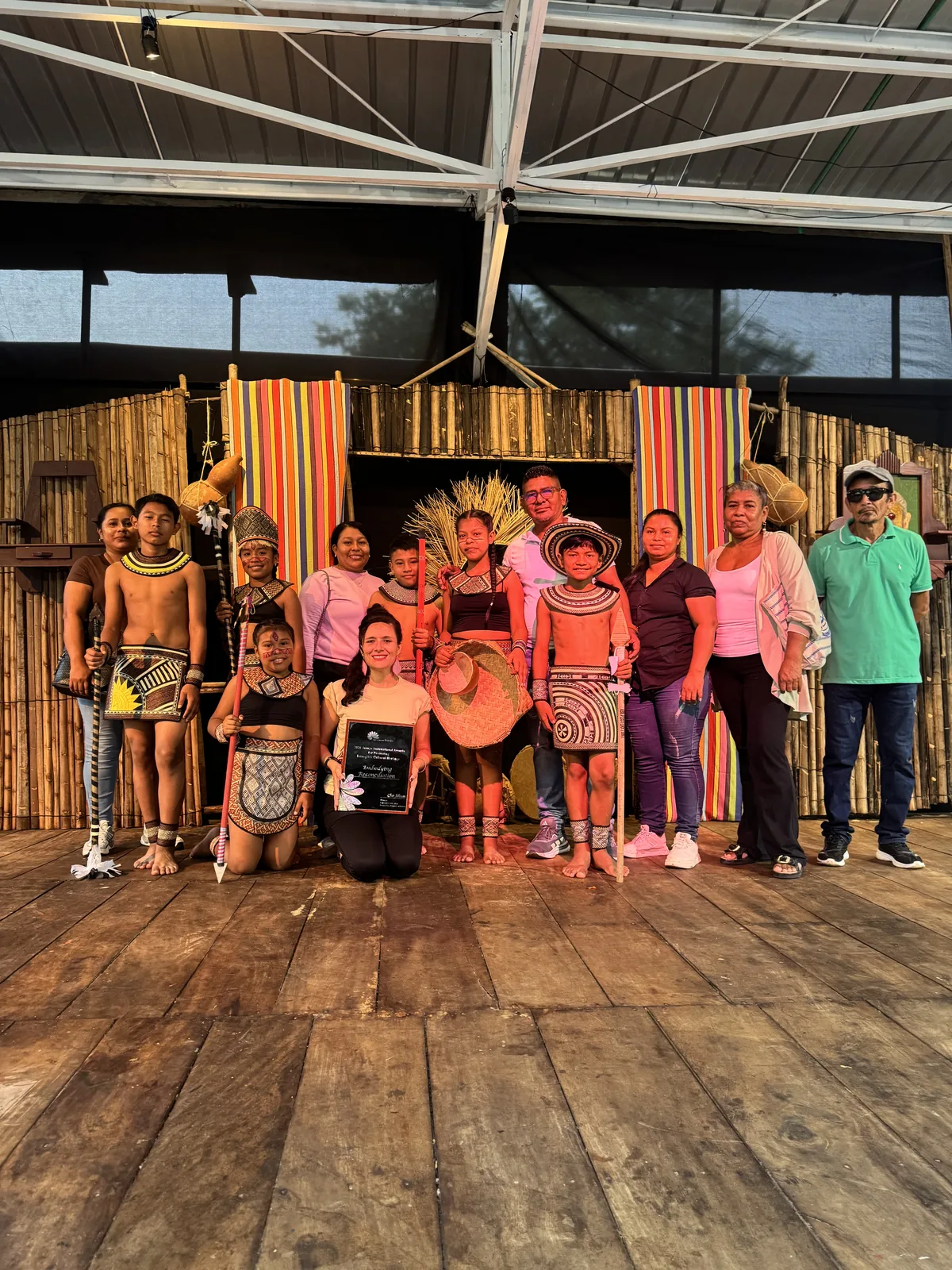
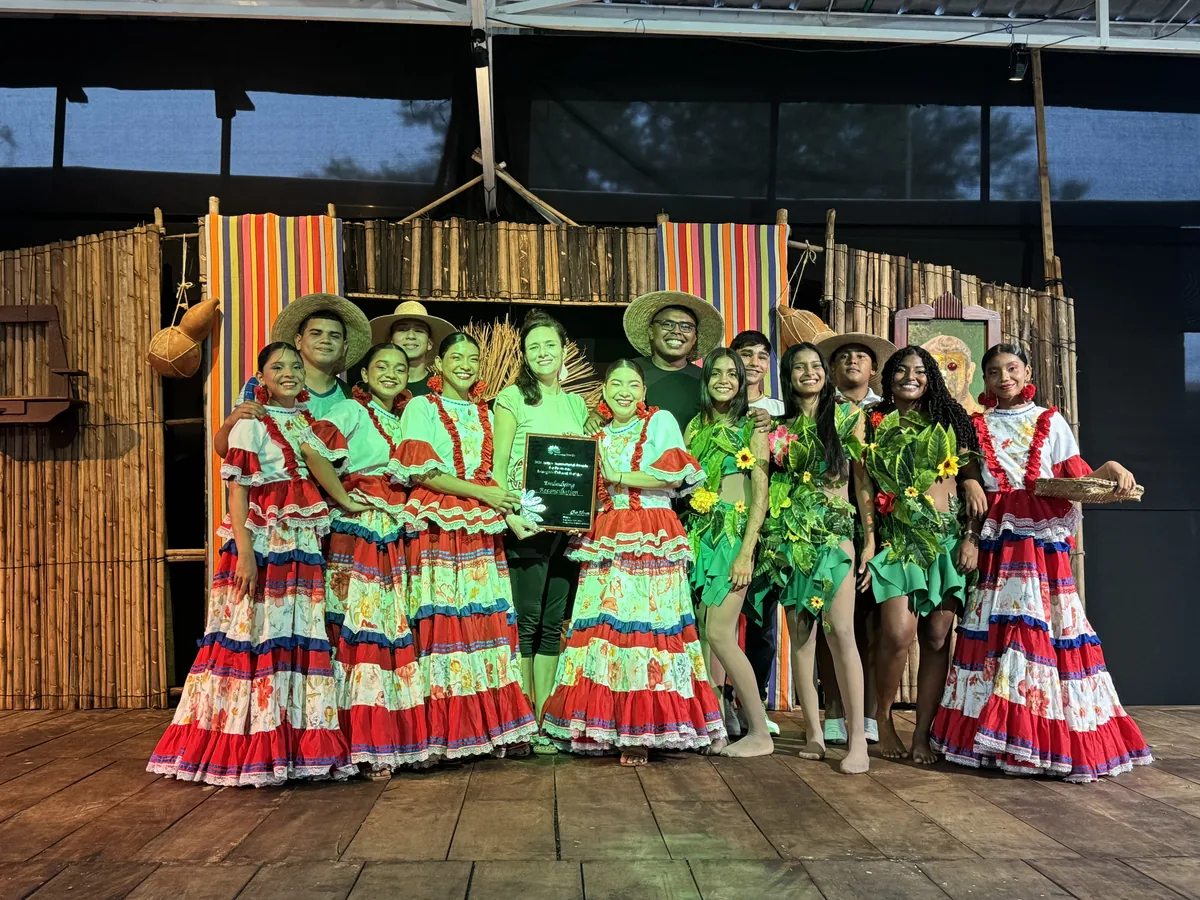
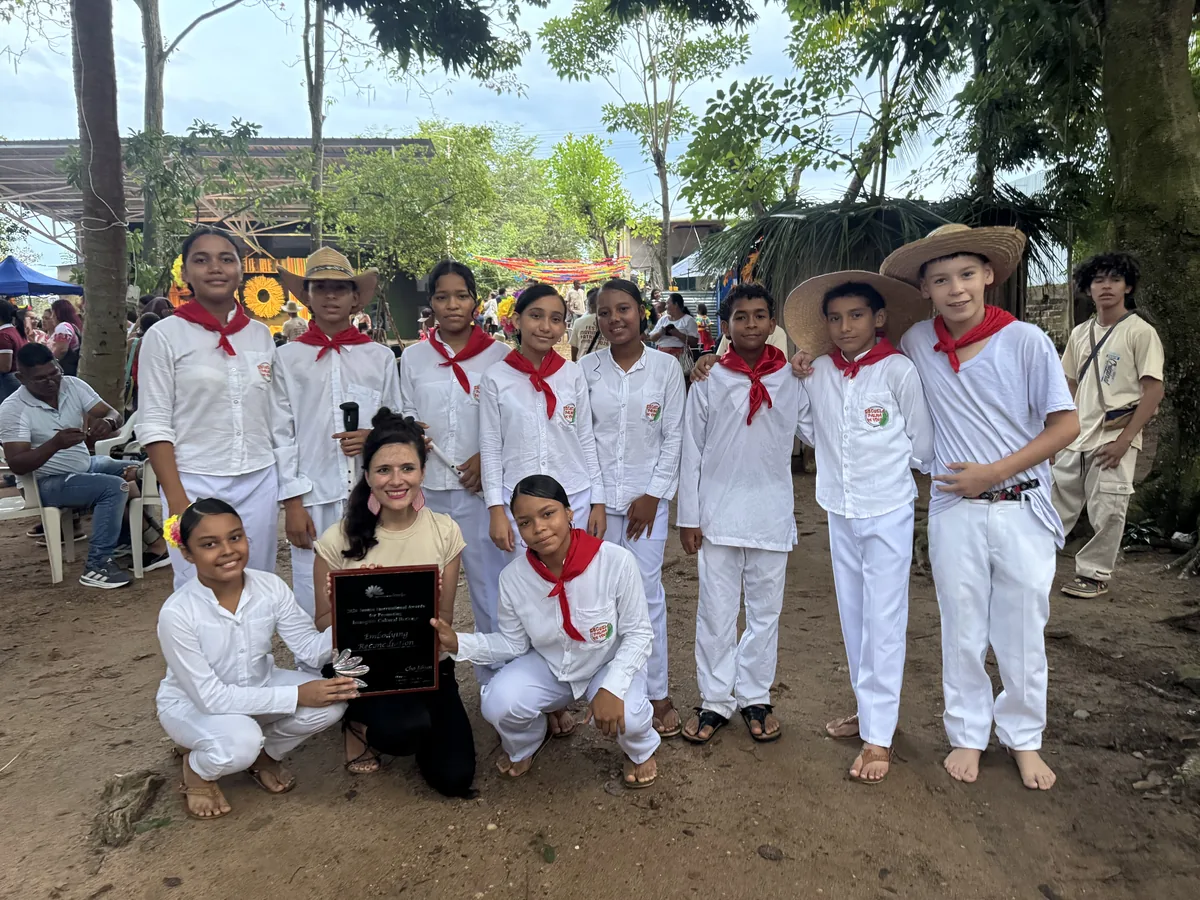
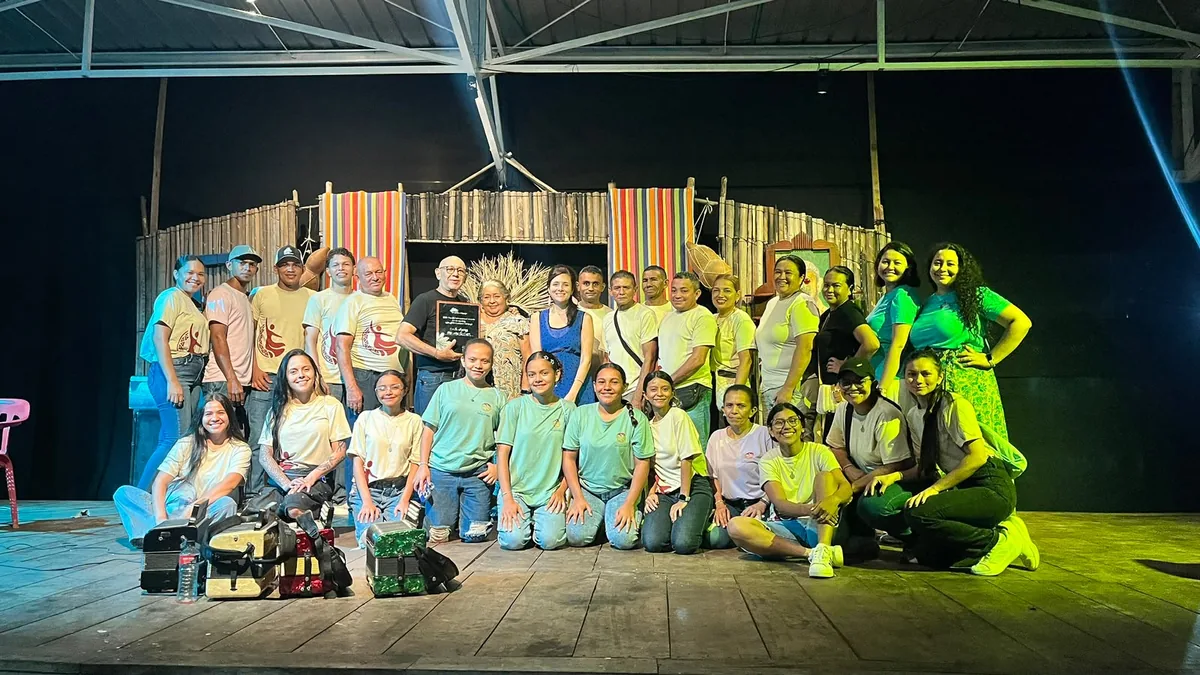
Diana Teresa Gutiérrez García is an anthropologist trained at Pontificia Universidad Javeriana and a scholarship recipient of two prestigious international master’s programs in Europe and Asia: the Erasmus Mundus Choreomundus program in Dance Anthropology and Intangible Cultural Heritage, and the Master’s in Peace Studies at International Christian University in Japan, where she studied as a Rotary Peace Fellow. She is the founder and director of Cuerpos para la Reconciliación, an NGO accredited under UNESCO’s 2003 Convention, through which she has developed and led a model connecting intangible cultural heritage, the body, and memory with peacebuilding. This work received international recognition through the 2026 Jeonju International Awards for Promoting Intangible Cultural Heritage (JIAPICH). She currently leads an ecosystem of learning, creation, and exchange encompassing the Training of Trainers Diploma in Living Heritage, the Body, and Peacebuilding, in partnership with UNAD; a traveling training program; a virtual museum; and the Movement and Living Heritage Festival in Galeras, Sucre. This work connects communities across 12 municipalities in Colombia’s Caribbean region, strengthening the transmission of knowledge, intergenerational exchange, and local capacities for peacebuilding. Her international experience also includes facilitating intercultural exchange and peace education programs in India, Japan, and Finland.
Diana Teresa Gutiérrez García es antropóloga de la Pontificia Universidad Javeriana y ha sido becaria de dos prestigiosos programas de maestría internacional en Europa y Asia: Erasmus Mundus Choreomundus, en Antropología de la Danza y Patrimonio Cultural Inmaterial, y la Maestría en Estudios de Paz de la International Christian University de Japón, como Rotary Peace Fellow. Es fundadora y directora de Cuerpos para la Reconciliación, ONG acreditada ante la Convención de 2003 de la UNESCO, desde donde ha desarrollado y liderado un modelo que articula el patrimonio cultural inmaterial, el cuerpo y la memoria con la construcción de paz, cuya trayectoria recibió reconocimiento internacional con el Premio JIAPICH 2026 de Jeonju. Actualmente dirige un ecosistema de formación, creación e intercambio que integra el Diplomado en Formación de Formadores en Patrimonio Vivo, Cuerpo y Construcción de Paz, en alianza con la UNAD, la ruta de formación itinerante, el museo virtual y el Festival Movimiento y Patrimonios Vivos en Galeras, Sucre. Esta labor conecta comunidades de 12 municipios del Caribe colombiano, fortaleciendo la transmisión de saberes, el encuentro intergeneracional y las capacidades locales para construir paz. Su trayectoria internacional incluye la facilitación de programas de intercambio intercultural y educación para la paz en India, Japón y Finlandia.
Alejandro Peña Cuéllar
International board · ColombiaJunta internacional · Colombia
Alejandro Peña Cuéllar is a distinguished Colombian architect, a graduate of Universidad de los Andes, and the founder and director of Alpec Arquitectura. Headquartered in Bogotá, his firm has nearly two decades of experience developing projects with a focus on social, urban, landscape, and spatial integration. He has participated in national and international competitions, winning first prize on several occasions.
Alongside his independent architectural practice, he has taught at institutions such as the School of Creation at Universidad del Rosario, leading workshops on architectural design and renovations in heritage contexts.
His work has been selected for the architecture biennials organized by the Colombian Society of Architects and the Pan-American Architecture Biennial of Quito. His Galería Lamazone project was named one of the year’s best projects by Axxis magazine. His projects have also been published on digital platforms such as ArchDaily and Architizer.
He currently serves on the Board of Directors of Embodying Reconciliation.
Alejandro Peña Cuéllar es un destacado arquitecto colombiano, graduado de la Universidad de los Andes, y el director y fundador de Alpec Arquitectura. Su firma, con sede principal en Bogotá, cuenta con cerca de dos décadas de trayectoria en el desarrollo de proyectos con un enfoque de integración social, urbana, paisajística y espacial. Ha participado en varios concursos nacionales e internacionales siendo seleccionado con el primer puesto en varias ocasiones.
Además de su práctica profesional independiente, ha ejercido la docencia en instituciones como la Facultad de Creación de la Universidad del Rosario, dictando talleres de diseño arquitectónico y reformas en contextos patrimoniales.
Su trabajo ha sido seleccionado en las Bienales de Arquitectura de Sociedad Colombiana de Arquitectos, Bienal Panamericana de Quito y el proyecto Galería Lamazone fue seleccionado como uno de los mejores proyectos del año por la publicación Axxis. Los proyectos de su autoría han sido publicados en plataformas digitales tales como Archdaily y Achitizer.
Actualmente hace parte de la Junta Directiva de Cuerpos para la Reconciliación.
Giorgio Shani
International boardJunta internacional
Prof. Giorgio Shani is Chair of Politics and International Studies at International Christian University (ICU), Japan. A former President of the Asia-Pacific Region of the International Studies Association (ISA), he is currently Chair of RC43 Religion and Politics of the International Political Science Association (IPSA). He is author of Religion, Identity and Human Security and Sikh Nationalism and Identity in a Global Age; co-author of Sikh Nationalism; and co-editor of Rethinking Peace and Religion and Nationalism in Asia. His most recent publication is “From civilizations to cosmologies? Rethinking IR in a pluriversal world” (Pluriversal International Relations, Vol. 1-2, 2026).
El profesor Giorgio Shani dirige el Departamento de Política y Estudios Internacionales de la International Christian University (ICU), Japón. Fue presidente de la región Asia-Pacífico de la Asociación de Estudios Internacionales (ISA) y actualmente preside el Comité de Investigación RC43 sobre Religión y Política de la Asociación Internacional de Ciencia Política (IPSA). Es autor de Religión, identidad y seguridad humana y Nacionalismo e identidad sij en una era global; coautor de Nacionalismo sij; y coeditor de Repensar la paz: discurso, memoria, traducción y diálogo y Religión y nacionalismo en Asia. Su publicación más reciente es «¿De las civilizaciones a las cosmologías? Repensar las relaciones internacionales en un mundo pluriversal», publicada en Pluriversal International Relations (vol. 1–2, 2026).
Signa Schiavo Campo
Co-founder and international boardCofundadora y junta internacional
Signa Schiavo-Campo is an anthropologist, researcher and ecosomatic artist. She holds a degree in Philosophy, with a specialisation in Oriental Studies, and a European Erasmus Mundus master’s degree in Dance Knowledge, Practice and Heritage (Choreomundus).
She is co-founder and collaborator with Embodying Reconciliation, a Colombian NGO working internationally on intercultural exchange, peacebuilding and the safeguarding of intangible cultural heritage. Within the organisation, she has contributed to project design and management, field facilitation, consultancy, and the development of arts- and body-based methodologies for educational and research programmes.
She is a generative member of IFEEA – International Forum for Eco-Embodied Arts, and co-founder of Kin&Shift, a space dedicated to art, somatics and community building in Milan, Italy. Since 2017, she has also been teaching yoga and mindfulness and working with embodiment practices.
Signa Schiavo-Campo es antropóloga, investigadora y artista ecosomática. Es licenciada en Filosofía, con especialización en Estudios Orientales, y posee un máster europeo Erasmus Mundus en Conocimiento, Práctica y Patrimonio de la Danza (Choreomundus).
Es cofundadora y consultora especializada de Embodying Reconciliation, ONG colombiana que trabaja a nivel internacional en el intercambio intercultural, la construcción de paz y la salvaguardia del patrimonio cultural inmaterial. Dentro de la organización, ha contribuido al diseño y la gestión de proyectos, la consultoría, la facilitación y el desarrollo de metodologías artísticas y corporales para programas educativos y de investigación.
Es miembro generativo de IFEEA – International Forum for Eco-Embodied Arts, y cofundadora de Kin&Shift, un espacio dedicado al arte, las prácticas somáticas y la construcción de comunidad en Milán, Italia. Desde 2017, también imparte clases de yoga y mindfulness y trabaja con prácticas de embodiment.
Gustavo Caicedo
International board · MexicoJunta internacional · México
34 years devoted to safeguarding the intangible cultural heritage of Mexico.
34 años dedicados a la salvaguardia del patrimonio cultural inmaterial de México.
- 1992. I learned the Aztec Nahuatl language and culture with Lucio Carpanta and Inocente Morales.
- 1994 to 2004. Xanari, or player, of the Uarhukua Chanakua, the Game of the Sticks. I taught the game to more than 2,000 people in Mexico City.
- 1996 to date. Creator of the Xocotzin Programme, “Venerable little one”, a recognised model for safeguarding Intangible Cultural Heritage. It has been replicated in ten states, with an average of 18,000 girls and boys taking part each year.
- 2006. Specialist in charge of adapting and including 28 traditional games and sports in the official basic-education curriculum (primary and secondary). DGEIB, SEP.
- 2007 to date. Founding member of the Encyclopedia of Intangible Cultural Heritage, an organisation accredited to UNESCO’s Intergovernmental Committee for the Safeguarding of the Intangible Cultural Heritage.
- 2018–2022. Elected to the Steering Committee of the ICH NGO Forum, which brings together the 258 organisations accredited by UNESCO.
- 2021–2022. Chair of the Steering Committee of the ICH NGO Forum.
- 2021. Founder of the Competency Management Committee for the transmission of knowledge, skills and techniques of Intangible Cultural Heritage, before CONOCER, Ministry of Public Education (SEP).
- 2021 to date. Consultant for bearers of Intangible Cultural Heritage, licensing signs, symbols and designs with national and international companies.
- 2026. Coordinator of the project to recover the moral and economic rights of Ulama de Cadera for the benefit of its bearers. Southern Sinaloa.
- 1992. Aprendí lengua y cultura azteca náhuatl con Lucio Carpanta e Inocente Morales.
- 1994 a 2004. Xanari o practicante de la Uarhukua Chanakua o Juego de los bastones. Enseñé el juego a más de 2.000 personas en la Ciudad de México.
- 1996 a la fecha. Creador del Programa Xocotzin, Venerable pequeño. Un modelo reconocido para la salvaguardia del Patrimonio Cultural Inmaterial. Se ha replicado en diez estados con una participación anual promedio de 18.000 niñas y niños.
- 2006. Especialista responsable de adaptar e incluir 28 juegos y deportes tradicionales en el currículo oficial de educación básica (primaria y secundaria). DGEIB, SEP.
- 2007 a la fecha. Miembro fundador de la Enciclopedia del Patrimonio Cultural Inmaterial, organización acreditada ante el Comité Intergubernamental para la Salvaguardia del Patrimonio Cultural Inmaterial de la UNESCO.
- 2018 - 2022. Electo al Comité Directivo del ICH NGO Forum, que agrupa a las 258 organizaciones acreditadas de la UNESCO.
- 2021 - 2022. Presidente del Comité Directivo del ICH NGO Forum.
- 2021. Fundador del Comité de Gestión por Competencias para la transmisión de conocimientos, habilidades y técnicas del Patrimonio Cultural Inmaterial, ante el Consejo Nacional de Normalización y Certificación de Competencias Laborales CONOCER, de la Secretaría de Educación Pública SEP.
- 2021 a la fecha. Consultor para portadores del Patrimonio Cultural Inmaterial, para licenciar signos, símbolos y diseños con empresas nacionales e internacionales.
- 2026. Coordinador del proyecto para recuperar los derechos morales y patrimoniales del Ulama de Cadera en beneficio de sus portadores. Sur de Sinaloa.
Jeremy Carter-Gordon
International board · United StatesJunta internacional · Estados Unidos
Jeremy Carter-Gordon is an American anthropologist, educator, performer, and researcher specializing in traditional music and dance. He holds a bachelor’s degree from Bard College and a master’s degree in Dance Knowledge, Practice, and Heritage from the international Choreomundus program. He received a Thomas J. Watson Fellowship to research European sword dances, documenting their practices and transmission. His work combines research, teaching, and artistic practice through workshops and performances in the United States and internationally. He is a singer and banjo player with the vocal ensemble Windborne.
Jeremy Carter-Gordon es antropólogo, docente, intérprete e investigador estadounidense especializado en música y danza tradicionales. Es graduado de Bard College y magíster del programa internacional Choreomundus en Conocimiento, Práctica y Patrimonio de la Danza. Recibió la beca Thomas J. Watson para investigar las danzas de espadas europeas, documentando sus prácticas y formas de transmisión. Su trayectoria combina investigación, enseñanza y creación artística, con talleres y presentaciones en Estados Unidos y otros países. Es cantante y banjista del ensamble vocal Windborne.